
Every second counts in an emergency. The absolute worst time to find out your first aid kit is empty is when someone is hurt.
A stocked first aid kit stops minor injuries from becoming major problems. But the importance of regularly inspecting them is often overlooked. Without regular checks, you might reach for a plaster or bandage and find nothing there.
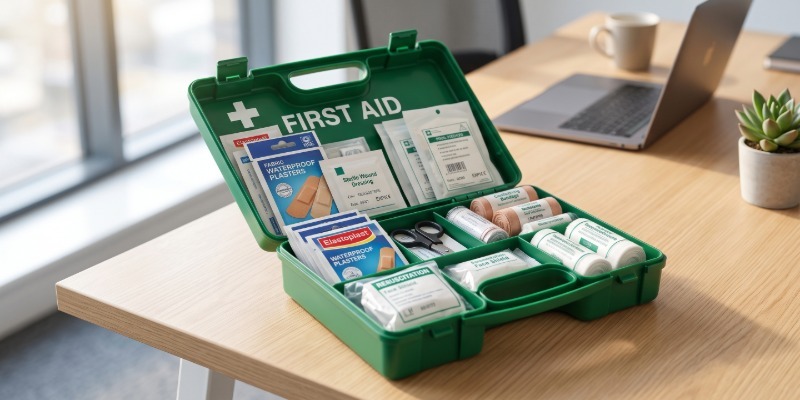
Why Are Regular First Aid Kit Inspections Important?
1. Keep supplies stocked
Kits empty out fast after dealing with cuts, burns, or sprains. Regular checks mean you replace missing plasters, bandages, gloves, and dressings right away.
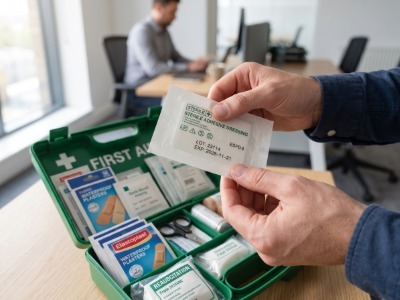
2. Catch expired items
Some first aid supplies have expiry dates and become unsuitable for use. Regular checks help you spot and replace expired products before you need them.
3. Keep supplies in good condition
Packaging gets damaged, wet, or torn, which can affect sterile items. Checking the contents means you can swap out anything compromised.
4. Keep it easy to find
You need to grab a first aid kit fast. Checks confirm the kit remains in its designated location, is clearly identified, and is not obstructed.
5. Support workplace safety
Routine checks are an important part of maintaining a safe workplace. Ensuring your kit is ready to go helps reduce delays and supports an effective response to injuries.
How Often Should You Check Your First Aid Kit?
Inspection frequency should reflect the workplace environment and how often the kit is used. As good practice, check them regularly and after every single use. Always follow your organisation's risk assessments and applicable health and safety requirements.
What Should a Check Include?
- Checking the kit is in its designated location, clearly identified and accessible.
- Confirming essential supplies are present and in good condition.
- Checking expiry dates.
- Replacing used, missing, or damaged items.
- Ensuring sterile items remain sealed and intact.
- Checking the contents are clean and organised.
- Reviewing kit contents after first aid incidents.
- Recording inspections and any replacements made.
Keeping a simple inspection record helps demonstrate that checks are being carried out and makes it easier to identify recurring issues.
A first aid kit is only effective when it is ready to use. Regular inspections help ensure it stays that way.